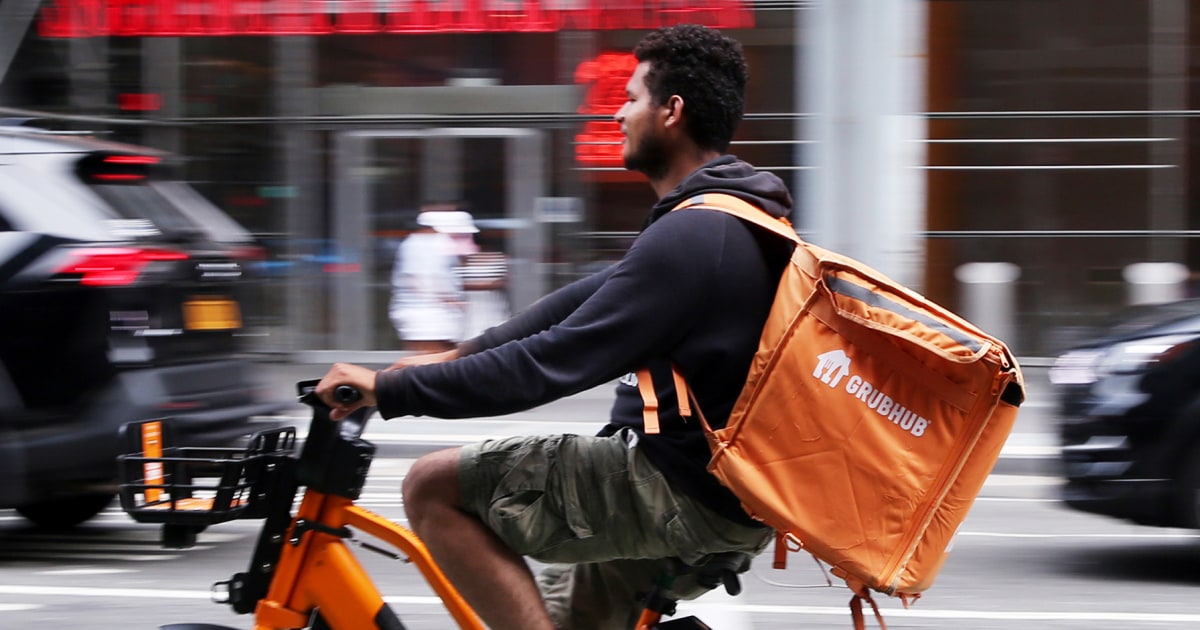
Grubhub Faces $25 Million Fine for Allegations of Deceiving Diners, Drivers, and Restaurants
The landscape of food delivery services has been irrevocably shaped by convenience, but also by a complex web of pricing, promises, and platform practices. In a significant move that underscores the scrutiny facing the gig economy, food delivery giant Grubhub has agreed to pay a substantial $25 million to settle claims brought by the Federal Trade Commission (FTC) and the Illinois Attorney General's office. This major Grubhub Pays $25M in Deceptive Fee & Driver Pay Settlement addresses widespread allegations of deceptive practices that reportedly impacted diners, drivers, and even non-partnered restaurants. While Grubhub has stated it "categorically denies" the accusations, the company has chosen to settle and move forward, highlighting the growing pressure on tech platforms to maintain transparency and fair operations.
The core of the investigation revealed a pattern of behavior that, according to regulators, allowed Grubhub to gain an unfair advantage in the competitive online food delivery marketplace. This extensive settlement shines a spotlight on various alleged misrepresentations, from hidden fees for customers to exaggerated earnings for drivers and unauthorized listings that harmed restaurants. Understanding the facets of this Grubhub Delivery Fee Settlement is crucial for anyone involved in the digital food ecosystem.
Unpacking the Allegations: Deceptive Practices Unveiled
The federal lawsuit filed by the FTC and Illinois Attorney General's office laid out a series of accusations painting a picture of deliberate and systematic deception. These claims span across all three key stakeholders in Grubhub's business model:
- For Diners: Hidden Fees and Misleading Subscriptions
- Bait-and-Switch Delivery Fees: Grubhub was accused of luring customers with seemingly low delivery fees, only to add additional charges later. These "service fees" or "small order fees" were, in essence, just disguised delivery charges. Diners often found their final bill significantly higher than initially anticipated due to these additional markups.
- Misleading Grubhub+ Promises: The company's subscription service, Grubhub+, advertised "free delivery." However, subscribers allegedly continued to face delivery charges, undermining the very premise of the subscription. Furthermore, cancelling Grubhub+ was reportedly made unnecessarily difficult, trapping users in recurring charges.
- For Drivers: Exaggerated Earning Potential
- Inflated Hourly Rates: Grubhub allegedly advertised that its drivers could earn as much as $26 per hour. Yet, the complaint states that the vast majority of drivers never reached this figure. Internal data reportedly showed the median Grubhub driver earned a mere $11 per hour in 2023, with only the top 2% achieving the advertised rate.
- High Driver Churn: This significant disparity between advertised and actual earnings led to a high turnover rate, with Grubhub reportedly losing 50% of its driver population every 7-8 months. This rapid churn created a continuous need for aggressive, and allegedly misleading, marketing to recruit new drivers.
- For Restaurants: Unauthorized Listings and Financial Strain
- Unconsented Listings: In a bid to expand its platform and attract more users, Grubhub was accused of adding tens of thousands of restaurants to its platform without their knowledge or consent. This practice often resulted in outdated menus, leading to canceled orders, delays, and missing items, ultimately damaging the restaurants' reputations.
- Unpaid Orders: The lawsuit also highlighted instances where delivery drivers, relying on Grubhub credit cards, faced declined payments due to insufficient funds. This left restaurants unpaid for food that had already been prepared, creating direct financial losses.
- Ignored Cease-and-Desist Letters: Thousands of restaurants reportedly sent requests to be removed from the platform, which Grubhub often ignored. In some cases, the company even pressured restaurants to partner with them after these unauthorized listings were discovered.
Navigating Delivery Fees and Subscription Traps
The FTC's focus on Grubhub's delivery fee structure highlights a pervasive issue across the food delivery industry: the complex and often opaque nature of service charges. For diners, the allegations reveal how seemingly minor additional fees can accumulate, significantly impacting the final cost. The practice of labeling these as "service fees" or "small order fees" rather than explicitly as delivery charges can be particularly confusing, leading consumers to believe they are paying for something other than the transportation of their food.
This settlement serves as a critical reminder for consumers to meticulously review their order summaries before confirming a purchase. Look beyond the initial delivery fee; scrutinize all line items for additional charges that might be disguised. Furthermore, for subscription services like Grubhub+, always clarify what "free delivery" truly entails and be aware of cancellation policies. Understanding these nuances can save money and prevent frustration.
It's worth noting that separate from this federal settlement, some California residents may be eligible for a smaller payout from a distinct California Grubhub Users: Claim Your $10 from Delivery Fee Settlement related specifically to delivery fees. Notices for such settlements typically come from official channels, and users should exercise caution, verifying sender domains (e.g., ghgeliveryfeesettlement.com) to avoid phishing scams.
A Raw Deal for Drivers? Exaggerated Earnings and High Churn
The allegations concerning driver earnings paint a stark picture of the challenges faced by gig workers. Advertising an hourly wage of $26 while the median driver earns less than half that amount is a significant misrepresentation. This discrepancy isn't just a minor oversight; it impacts individuals relying on these platforms for their livelihood, leading to financial instability and disillusionment.
The high driver churn rate—50% attrition every 7-8 months—is a direct consequence of this disconnect between expectation and reality. When drivers realize they cannot meet their financial goals based on the actual earnings, they naturally seek other opportunities. This creates a perpetual cycle of recruitment for the platforms, often fueled by marketing claims that do not align with internal data.
For potential gig workers, this case offers a vital lesson: always seek out independent data and reviews regarding earning potential on delivery platforms. Don't rely solely on platform advertisements. Speak to current drivers, consult online forums, and analyze third-party reports to get a realistic picture of income, expenses, and working conditions before committing.
The Unconsenting Restaurant Problem: Reputational Damage and Financial Strain
Perhaps one of the most egregious accusations involves Grubhub listing restaurants without their consent. This practice not only undermines the autonomy of local businesses but can also inflict significant reputational and financial harm. Imagine a customer ordering from your restaurant via an unauthorized platform, receiving an outdated menu item, or having their order canceled due to the platform's errors. Such experiences are attributed to the restaurant, not the platform, eroding customer trust and goodwill.
For restaurants, this settlement underscores the importance of actively managing their online presence. Regularly check major food delivery platforms to ensure your business isn't listed without your permission, or if listed, that the information (menu, pricing, hours) is accurate. If you discover an unauthorized listing, document everything, send formal cease-and-desist letters, and be prepared to take further action if your requests are ignored. Establishing clear communication and contractual agreements with any delivery partner is paramount to protect your brand and bottom line.
What This Means for the Future of Food Delivery and Consumer Trust
The $25 million Grubhub Delivery Fee Settlement is more than just a financial penalty; it's a clear message from regulators to the entire gig economy. FTC Chair Lina Khan's statement, "For years, Grubhub deliberately and systematically cheated its customers, deceived its drivers, and undermined restaurants," reflects a growing commitment to holding powerful tech platforms accountable for their practices. This case sets a precedent, emphasizing that convenience cannot come at the cost of transparency and fair dealing for all parties involved.
The future of food delivery will likely see increased scrutiny on pricing models, subscription terms, and labor practices. For consumers, it reinforces the need for vigilance and critical evaluation of service claims. For drivers, it highlights the ongoing battle for fair wages and transparent compensation structures. For restaurants, it stresses the importance of digital oversight and the power of asserting control over their online identity.
Ultimately, this settlement aims to foster a more equitable and trustworthy environment in the online food delivery marketplace. It empowers diners, drivers, and restaurants alike to demand greater transparency and to hold platforms accountable for the promises they make.