Grubhub Pays $25M in Deceptive Fee & Driver Pay Settlement: A Deep Dive into Accountability
The landscape of food delivery services, once seen as a seamless convenience, has increasingly come under scrutiny for its operational practices. In a significant move that underscores the growing demand for transparency and fairness in the gig economy, food delivery giant Grubhub has agreed to pay a substantial $25 million settlement. This landmark agreement resolves a federal investigation into allegations that the company engaged in widespread deceptive practices, misleading not only its customers with hidden fees but also its drivers with exaggerated pay claims, and even damaging the reputations of restaurants that didn't partner with them. This multifaceted Grubhub Delivery Fee Settlement marks a pivotal moment, shedding light on the complexities and challenges facing consumers, drivers, and restaurant owners in the digital delivery age.
Unpacking the $25 Million Grubhub Delivery Fee Settlement: What Went Wrong?
The genesis of this substantial settlement lies in a comprehensive investigation spearheaded by the Federal Trade Commission (FTC) and the Illinois Attorney General's office. Their findings painted a picture of systematic deception, suggesting that Grubhub gained an unfair advantage in the competitive online food delivery marketplace through questionable tactics. While Grubhub has publicly stated its categorical denial of the allegations, the company ultimately decided to pay the $25 million to "move forward," acknowledging the best interests of the business.
At the heart of the federal lawsuit were several key accusations that exposed how the platform allegedly prioritized profit over transparent dealings. These included a deceptive fee structure that impacted diners directly, misleading information provided to potential drivers, and even coercive practices against restaurants. The FTC and Attorney General's office asserted that for years, Grubhub operated with a deliberate strategy that systematically shortchanged various stakeholders in its ecosystem, leading to this significant legal resolution.
The Web of Deception: How Diners Were Affected
For many Grubhub users, the appeal of ordering food online often came with the expectation of clear pricing. However, the investigation revealed that Grubhub allegedly employed a "bait-and-switch" tactic when it came to delivery fees. Customers were purportedly lured in by advertisements of low delivery fees, only to find additional charges tacked on at checkout. These supplementary costs were often disguised under labels such as "service fees" or "small order fees," but the federal complaint argued they were, in essence, just another form of delivery fee. This practice obscured the true cost of ordering, leaving customers feeling misled.
The scrutiny also extended to Grubhub's subscription service, Grubhub+. Many users subscribed with the promise of "free delivery," a key selling point for frequent users. Yet, the investigation found that subscribers were often still charged for delivery, undermining the very benefit they signed up for. Furthermore, cancelling a Grubhub+ subscription was reportedly made difficult, adding another layer of consumer frustration. Such practices not only eroded consumer trust but also highlighted a significant lack of transparency in how the company communicated its pricing and subscription benefits.
Misleading Promises: The Impact on Grubhub Drivers
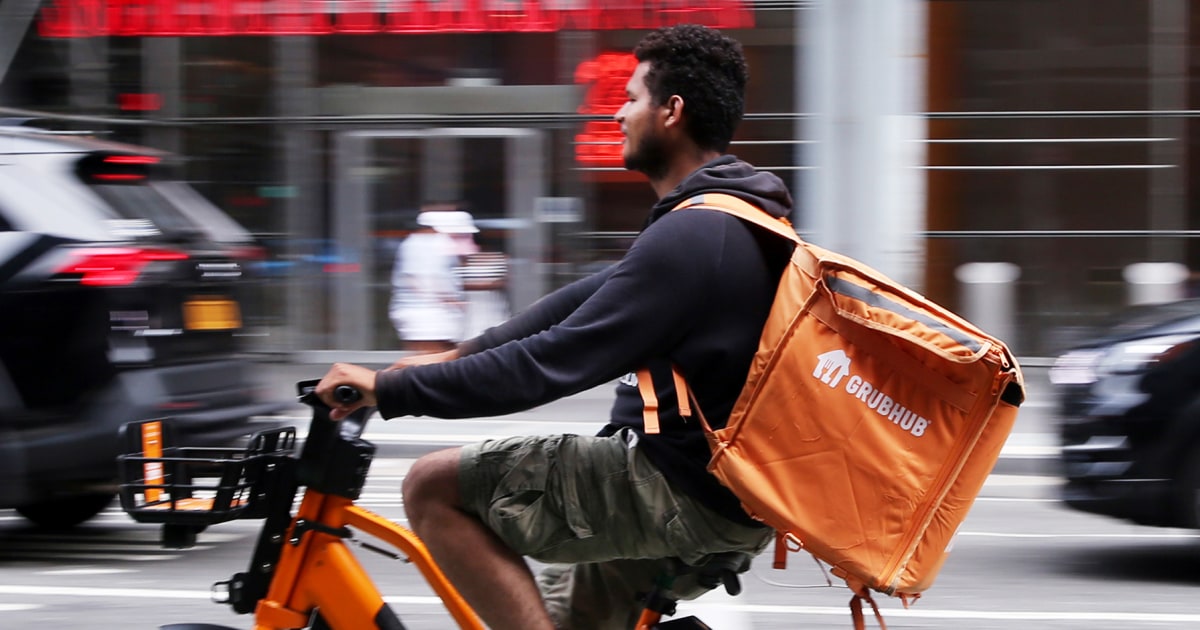
The allure of flexible work and attractive earnings is a major draw for individuals considering gig economy jobs. Grubhub, like many delivery platforms, heavily advertised the earning potential for its drivers. The federal lawsuit specifically cited advertisements claiming drivers were likely to earn as much as $26 per hour. This figure, however, was allegedly a stark contrast to reality for the vast majority of drivers.
According to the complaint, internal data revealed that the median Grubhub driver earned a mere $11 per hour in 2023. A staggering disconnect existed between the advertised potential and actual earnings, with only the top 2% of drivers ever achieving the promised hourly rate. This disparity had significant consequences, primarily manifested in a high driver churn rate. Internal analyses showed that Grubhub lost 50% of its driver population every 7-8 months, suggesting that drivers quickly became disillusioned when their actual earnings fell far short of expectations. This constant turnover placed immense pressure on Grubhub's marketing efforts to continually recruit new drivers, perpetuating a cycle of misleading advertising and unfulfilled promises. For more details on the broad implications of these findings, you can read our related article: Grubhub Fined $25M for Deceiving Diners, Drivers, & Restaurants.
Unwitting Partners: Restaurants Caught in the Crossfire
Beyond customers and drivers, the investigation uncovered troubling practices that impacted restaurants directly. Grubhub was accused of adding tens of thousands of restaurants to its platform without their knowledge or explicit consent. This unauthorized listing was reportedly a tactic to attract more users by offering a broader selection of eateries, regardless of whether the restaurants actually wanted to participate.
The consequences for these unwitting establishments were often detrimental. Listings frequently featured outdated menus, leading to a cascade of problems: canceled orders, delays, and missing items, all of which reflected poorly on the restaurants themselves. In some egregious cases, delivery drivers could only pay for orders using Grubhub credit cards, which sometimes were declined due to insufficient funds. This left restaurants unpaid for food that had already been prepared, incurring direct financial losses. Adding insult to injury, many restaurants sent cease and desist letters demanding removal from the platform, but these requests were routinely ignored. Instead, Grubhub allegedly sometimes pressured these restaurants to partner with them, turning unsolicited listings into leverage.
Beyond the Federal Case: The California Grubhub Delivery Fee Settlement
It's important to note that alongside the broader federal investigation, there has been a separate, California-specific Grubhub Delivery Fee Settlement. This particular settlement addresses different claims and offers a distinct resolution for eligible individuals. The California settlement totals $5 million and is designed to provide a payout of approximately $10 per eligible user. Critically, this settlement is legitimate but exclusively limited to residents of California who meet the specified criteria.
Users who believe they may be eligible for this California-specific settlement should exercise caution and verify any notices they receive. Reports indicate that legitimate notices have been sent from domains similar to ghgeliveryfeesettlement.com. It is always wise to be vigilant and check for potential misspellings or suspicious sender addresses to avoid falling victim to scams. If you are a California resident and believe you are eligible, you can learn more about how to claim your part of this specific resolution in our dedicated article: California Grubhub Users: Claim Your $10 from Delivery Fee Settlement.
What This Means for the Future of Food Delivery
The Grubhub settlement sends a powerful message across the entire food delivery industry and the broader gig economy. It underscores the critical importance of regulatory oversight and robust consumer protection in a rapidly evolving digital marketplace. For consumers, this settlement is a stark reminder to exercise vigilance. Always read the fine print regarding fees, meticulously check your total order cost before confirming, and carefully review the terms of any subscription service. Be wary of marketing claims that seem too good to be true, especially concerning "free" services or exaggerated earnings.
For drivers, the implications are equally significant. This case highlights the necessity of thorough research into actual earning potential rather than solely relying on recruitment advertisements. Speaking with current or former drivers, understanding the complex payment structures, and comparing different platforms can provide a more realistic picture of what to expect. For restaurants, proactive engagement is key: regularly verify your online presence on all platforms, ensure your menu information is accurate, and understand the terms of any partnership agreements. If you find your business listed without consent, promptly and formally demand its removal.
Ultimately, this settlement advocates for greater transparency and ethical practices from all digital platforms. It serves as a precedent, encouraging companies to prioritize clear communication, fair dealings, and accountability to all stakeholders – customers, drivers, and businesses – ensuring a more trustworthy and equitable digital ecosystem for everyone.
In conclusion, the $25 million Grubhub Delivery Fee Settlement represents a significant victory for consumer and worker protection. It highlights the serious consequences for deceptive practices in the booming gig economy and reaffirms the power of regulatory bodies to hold large corporations accountable. As the digital delivery landscape continues to evolve, this settlement will undoubtedly serve as a crucial reminder for both platforms to operate with integrity and for users to remain informed and vigilant.